
How to Market Real Estate to Gen Z Buyers in 2026
Gen Z doesn’t browse property listings the way their parents did. They don’t walk into a site office after seeing a newspaper ad, sit across from a sales executive and nod along to a brochure. They’ve already done three hours of research before anyone in the industry knows they’re looking. By the time they reach out, they’ve watched the walkthrough videos, read the Google reviews, checked the developer’s Instagram, and formed a view.
The question for real estate developers in 2026 isn’t whether Gen Z is a serious buyer segment. They are. The question is whether the industry is ready to meet them honestly.
Who Gen Z Actually Is as a Buyer
Born between the late 1990s and early 2010s, the oldest members of Gen Z are now in their mid-to-late twenties. Some are buying their first homes. Others are advising parents on purchases. Either way, they’re in the room-digitally, if not physically, and their influence on buying decisions is growing faster than most developers have adjusted for.
A few things define how they approach a purchase of this size. They’re skeptical by default. They grew up watching institutions overpromise and under-deliver, and they’ve developed a sharp instinct for what’s genuine and what’s performance. They are sustainability-aware not as a trend they’ve adopted, but as a baseline expectation they bring to every significant decision. And they think about home very differently from the generations before them: not as a status symbol, but as a place that should actively support how they want to live. Marketing to them effectively means understanding all three of these things simultaneously.
Transparency Is the New Sales Strategy
The traditional real estate sales approach rendered images, carefully managed site visits, selective disclosure doesn’t land with Gen Z the way it once did. They have too much access to information and too much experience watching curated presentations diverge from reality, to take polished marketing at face value.
What works instead is radical transparency. Show the actual progress of a project, not just the vision board. Share the real timeline. Let existing residents speak for themselves rather than filtering everything through a marketing lens. Post the unedited walkthrough, not just the highlight reel.
This sounds obvious. It’s surprisingly rare. Developers who do it consistently who treat transparency as a product feature rather than a communications risk build a level of trust with Gen Z buyers that no amount of advertising spend can replicate. Trust, for this generation, is earned through behaviour not claimed through messaging.
UX Is Not a Digital Department. It’s the Whole Experience.
Gen Z navigates the world through interfaces. They’ve spent their entire adult lives interacting with products designed around frictionless experience and they bring those expectations to property search, site visits, documentation, and everything in between.
A clunky website that takes eight seconds to load loses them. A WhatsApp follow-up that feels scripted loses them. A site visit where the experience doesn’t match the digital promise loses them. Conversely, a developer who has thought carefully about every touchpoint, the quality of the virtual tour, the speed of response, the clarity of information at each stage signals something important: that the same attention to detail will show up in the product itself.
UX, for Gen Z, is not the digital layer on top of the real experience. It is inseparable from it. A developer’s digital presence is their first home. If that’s been built carelessly, it raises questions about everything else.
Sustainability Has to Be Real, Not Decorative
Green credentials matter to Gen Z buyers but they’ve also seen enough greenwashing to know the difference between a developer who has planted a few trees in a render and one who has genuinely integrated environmental thinking into how a project is planned, built, and maintained.
The things that resonate are specific and verifiable: EV charging infrastructure, meaningful green cover with real planting density, energy efficient design, walkable layouts that reduce car dependency and township planning that treats green space as essential infrastructure rather than leftover land. These aren’t premium add-ons for this generation. They’re expected features of any development worth taking seriously.
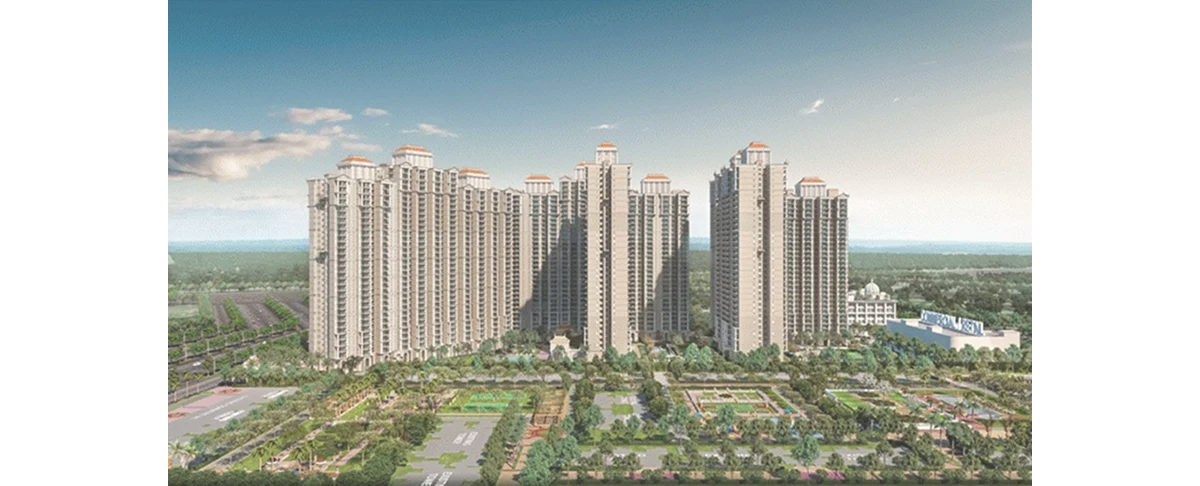
Prateek Group’s approach to this has been consistent for years. Across its township developments including Prateek Grand City in Siddharth Vihar where over 1,50,000 plants have been integrated into the landscape the commitment to green living is a planning decision not a marketing one. That distinction matters to buyers who know how to tell the difference.
Community Is the Product Gen Z Is Actually Buying
Here is the shift that most real estate marketing still hasn’t fully absorbed: Gen Z is not primarily buying square footage. They’re buying into a way of living. The quality of the community, who their neighbours will be, what the shared spaces feel like, whether the place has genuine social life matters as much to them as the size of the kitchen.
This is partly a response to urban loneliness, which is well-documented in their generation. It’s partly a practical recognition that a good community makes daily life noticeably better. And it’s partly a values statement: Gen Z tends to prioritise experiences and relationships over possessions, and they bring that orientation to housing decisions too.
For developers, this means the community story has to be real and demonstrable not promised in a brochure but visible in how existing residents actually live.
Life at Prateek: What a Real Community Looks Like
Prateek Group has been building residential communities across NCR for over twenty years and the Life at Prateek initiative is one of the clearest expressions of what that long term thinking produces. It exists because of a straightforward belief: handing over a home is the beginning of a relationship, not the end of one.
In practice, this means sustained investment in the experiences that give communities their character. Diwali celebrations where residents from different towers meet properly for the first time and return the following year because they want to. Holi mornings that have quietly become annual rituals families plan around. Fitness sessions where the same group shows up week after week until the routine becomes part of the building’s rhythm. Wellness activities, cultural evenings, hobby groups, sports days-regular moments that give residents genuine reasons to interact, not just share a postcode.
Within Prateek Grand City, with more than 4,500 families now in residence, this community life has had years to establish itself. Children who met in the township’s open grounds have grown into friendships that carry through school years. Families who attended a community event in their first year find themselves part of traditions by their third. Senior residents who might otherwise spend evenings alone find genuine social connection through morning walks and gatherings designed with exactly that kind of easy, unforced interaction in mind.
The shared spaces, well maintained parks, extensive green landscape, and community halls that see regular use make everyday convenience a quiet reality rather than a listed amenity. A parent sends a child outside knowing where they’ll be. An evening walk happens without planning for it.
For Gen Z buyers evaluating a developer, this is precisely the kind of evidence that matters: not what a community is promised to become, but what communities already built by that developer have actually become. More than 50,000 families across Prateek’s developments, and more than 20 million square feet delivered, represent decades of exactly that evidence.
The Honest Summary
Marketing real estate to Gen Z in 2026 is not about finding the right hashtag or the right influencer. It’s about being the kind of developer whose product, track record and community life can withstand the level of scrutiny this generation brings to every significant decision.
They will research everything. They will find the reviews, the forums, the old residents, the project timelines. Developers who have built honestly, delivered consistently, and invested in the community long after possession are the developers Gen Z will find credible.
The playbook hasn’t changed as much as people think. Build well. Be transparent. Invest in your communities. Earn trust over time rather than manufacturing it in a campaign.
That’s not a Gen Z strategy. That’s just what good development has always looked like and why the developers who’ve practised it for twenty years are the ones this generation will choose.
For more details visit Prateek Group Official Website
Connect with Prateek Group
Instagram: Prateek Group Instagram
LinkedIn: Prateek Group LinkedIn
YouTube: Prateek Group YouTube Channel
Facebook: Prateek Group Facebook Page
Corporate Office:
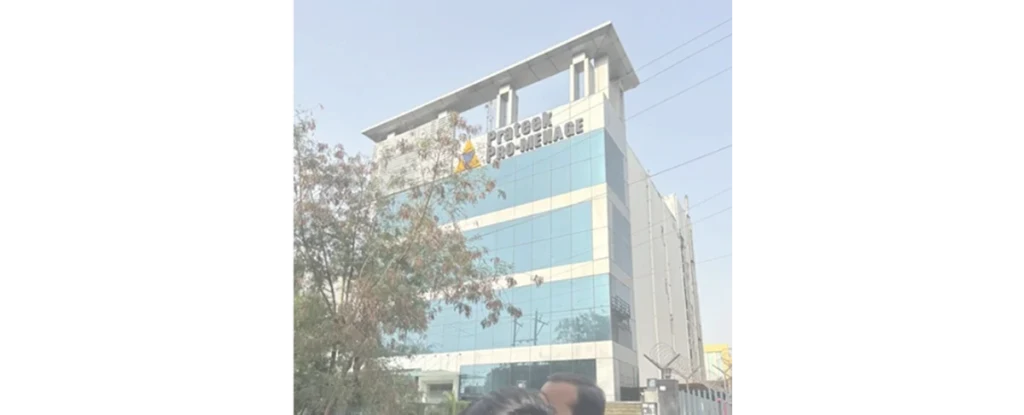
A-42, Sector-67, Noida, Uttar Pradesh, India
Email: info@prateekgroup.com
About the Author